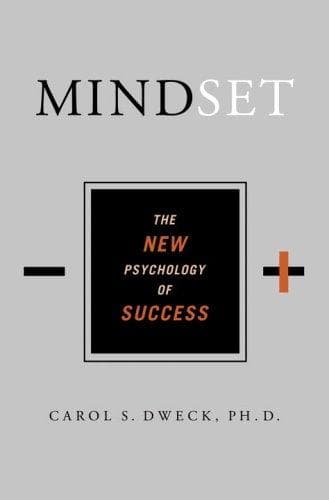
Mindset
Carol S. Dweck
What this book is about
Mindset by Carol S. Dweck is a personal growth title with reader perspectives, questions, and applications gathered around it.
Best forbeginnershabit builderscareer switchers
2006
What you believe about whether ability can grow changes what you do when something gets hard.
Who it helps: Anyone who avoids things they might be bad at, and anyone raising or managing someone who does.
What it argues
Treating ability as fixed makes difficulty feel like a verdict.
Dweck's distinction is about what a setback means. If ability is fixed, struggling is evidence you lack it, so the safe move is to avoid hard things. If ability develops, struggling is the process, so the safe move is to stay in it.
What you can do
Praise and measure the method, not the person.
Telling someone they are clever makes the next failure threatening to their identity. Naming the strategy, the effort and the choice gives them something to repeat and something to change.
Try this
Next time you praise someone's work, name one specific thing they did rather than what they are.
I tried thisChange the sentence you say at the moment of failing.
The mindset shows up in self-talk at a specific moment - the one where you decide whether this is a dead end or a stage. Catching that sentence and adding a 'not yet' is the smallest usable version of the idea.
Try this
Reader perspectives
See where the ideas worked, failed, or changed
Only perspectives readers have actually contributed appear here.
No reader perspective has been added yet. Share what you applied, questioned, or disagreed with.
Add a perspectivePerspectives
What readers learned, applied, or challenged
Open a perspective to see what a reader applied, questioned, challenged, or learned.
Often read next
Related books to continue with after you have seen the conversation around this one.
Read Next
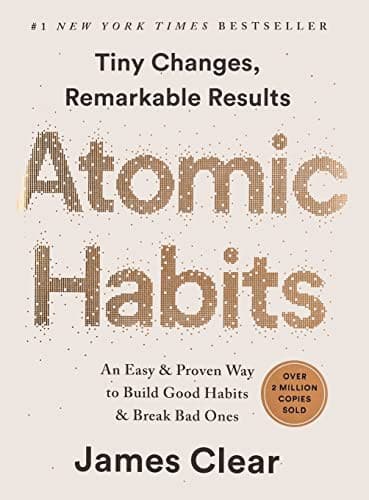
Atomic Habits
James Clear
Its value is the concrete system it gives readers for examining cues, environments, repetition, and identity instead of relying on motivation alone.
Best for habit builders
Read Next
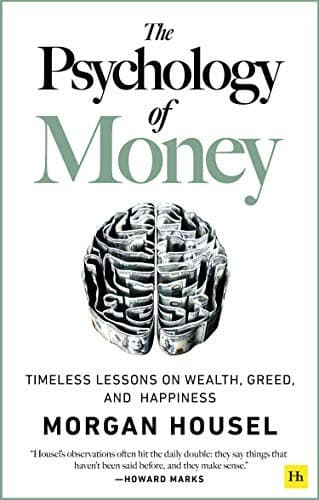
The Psychology of Money
Morgan Housel
It gives readers a useful starting language for discussing why reasonable people can make very different choices with money.
Best for new investors
Read Next