Best forlong-term investorsfinance studentsmarket-history readers
1949 · Several focused sessions
Learn this book
The useful ideas, explained simply
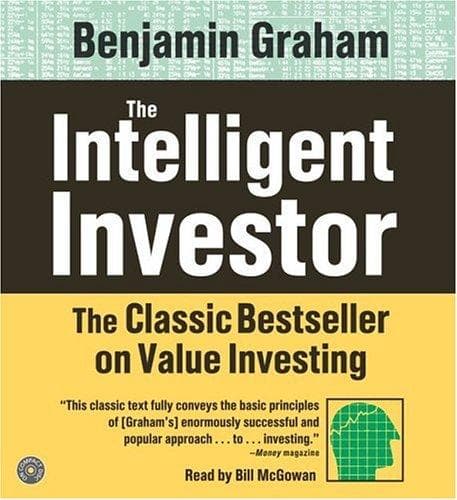
A foundational value-investing text focused on temperament, margin of safety, market behavior, and the distinction between investing and speculation. Its principles still support valuable discussion, while its examples, instruments, and market context require modern interpretation.
Start here for orientation. Then compare how readers applied, challenged, or limited each idea.
Margin of safety
Margin of safety allows for error
Graham's central principle is to leave a meaningful gap between price and a conservative estimate of value.
Write down which assumptions must be wrong before an investment loses its protective margin.
View perspectivesMr. Market
Mr. Market is an offer, not an instruction
Graham's metaphor treats daily market prices as changing offers from an emotional partner rather than commands to buy or sell.
Revisit the original thesis before letting a short-term price change rewrite it.
View perspectivesBook source
Reader perspectives
See where the ideas worked, failed, or changed
Only perspectives readers have actually contributed appear here.
No reader perspective has been added yet. Share what you applied, questioned, or disagreed with.
Add a perspectivePerspectives
What readers learned, applied, or challenged
Open a perspective to see what a reader applied, questioned, challenged, or learned.
Key concepts
Useful language from the book
margin of safetytemperamentvalue investinglong-term investorsfinance students
Should you read the full book?
Choose the depth you need
Read the full book for the author’s complete argument and examples. Use BookSphere for orientation and real reader experience.
See the reading decision+
Read it if
- You want the complete argument, examples, and nuance in the author’s own structure.
- You plan to apply the ideas seriously and need repetition, context, and caveats.
This preview may be enough if
- You need orientation before deciding where to spend deep reading time.
- You want the major ideas and practical reader applications first.
Often read next
Related books to continue with after you have seen the conversation around this one.
Read Next
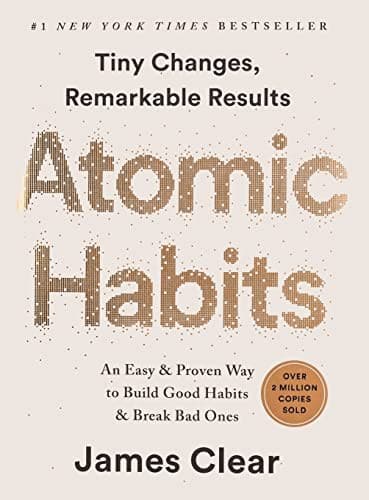
Atomic Habits
James Clear
Its value is the concrete system it gives readers for examining cues, environments, repetition, and identity instead of relying on motivation alone.
Best for habit builders
Read Next
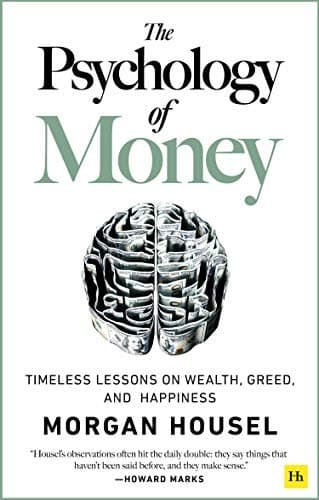
The Psychology of Money
Morgan Housel
It gives readers a useful starting language for discussing why reasonable people can make very different choices with money.
Best for new investors
Read Next