HotInsight
The idea from The Obstacle Is the Way that deserves a second reading
Written by the BookSphere team to start this shelf off. What would change this week if you treated this book as a practice instead of a take-away?
0 0Jul 10, 2026
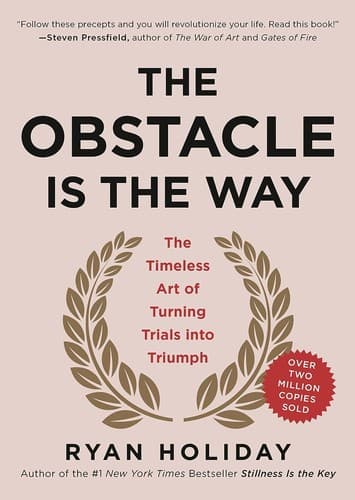
Ryan Holiday
What this book is about
The Obstacle Is the Way by Ryan Holiday is a personal growth title with reader perspectives, questions, and applications gathered around it.
2014 · 1 perspective
Who it helps: People stuck on a situation they cannot change and spending their energy on the wrong half of it.
What it argues
Holiday's Stoic core is that most of the distress in a setback comes from the story attached to it rather than the facts of it. Separating the two does not make the problem smaller, but it stops you solving the wrong one.
The claim inherited from Marcus Aurelius is that what blocks the action can become the action - the constraint forcing a better approach, the rejection redirecting the work. It is a reframe rather than a technique, and it is doing real work when it stops you waiting for conditions to improve.
What you can do
Done in your head this stays a comforting idea; written out it becomes a short list of actions and a longer list to stop spending attention on. The second list is usually where most of the week was going.
Try this
Take the thing weighing on you, and write two columns: mine to act on, not mine.
I tried thisReader perspectives
Only perspectives readers have actually contributed appear here.
1 reader perspective
The ideas readers found most clarifying, memorable, or useful.
The idea from The Obstacle Is the Way that deserves a second reading
Written by the BookSphere team to start this shelf off. What would change this week if you treated this book as a practice instead of a take-away?
Perspectives
Open a perspective to see what a reader applied, questioned, challenged, or learned.
Related books to continue with after you have seen the conversation around this one.
Read Next
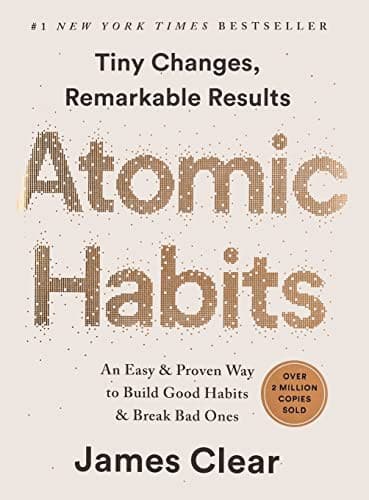
James Clear
Its value is the concrete system it gives readers for examining cues, environments, repetition, and identity instead of relying on motivation alone.
Best for habit builders
Read Next
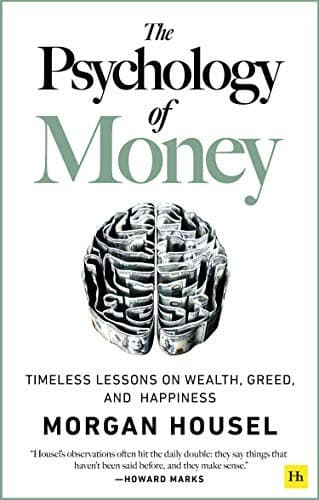
Morgan Housel
It gives readers a useful starting language for discussing why reasonable people can make very different choices with money.
Best for new investors
Read Next
Imagining what could go wrong, specifically, converts a future shock into a plan and removes much of the paralysis. The Stoics treated this as routine preparation rather than pessimism.
Try this
Before the next thing that matters, write the three most likely ways it goes wrong and what you would do.
I tried thisWhere it stops working
Illness, poverty, discrimination and grief are not perceptions, and a philosophy of acceptance applied to them can slide into telling people their circumstances are a thinking error. The approach earns its keep on what is genuinely in your control, and overreaches the moment it is offered as a universal answer.
What's disputed
Classical Stoicism was a whole philosophy with strong commitments about justice and duty to others. The modern productivity reading takes the personal fortitude and leaves most of that behind, which critics argue turns a moral philosophy into a performance technique.
What people get wrong
Examining a reaction to see what is actually true in it is not the same as refusing to have one. Read as instruction to feel nothing, it produces a brittleness that looks like composure right up until it fails.
Written by BookSphere. What readers have written themselves is below.
Written by the BookSphere team to start this shelf off. What would change this week if you treated this book as a practice instead of a take-away?
Questions no one here has answered yet. Pick one you can speak to.
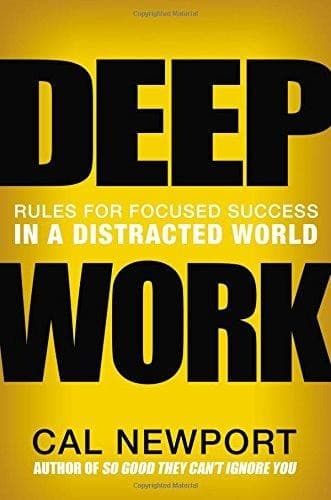
Cal Newport
It creates a strong discussion about whether focus is a personal habit, a workplace design problem, or both.
Best for knowledge workers
Replies
Loading replies...