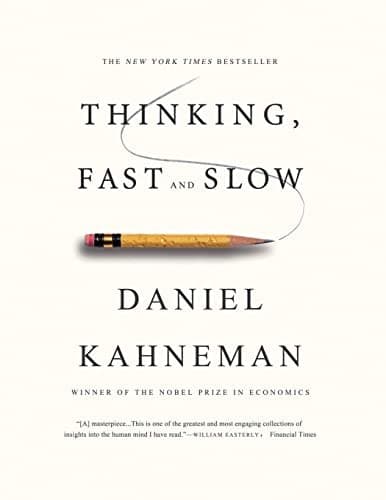
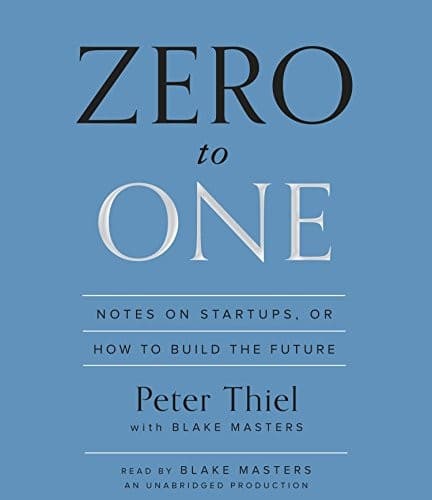
Loading cover
The Shallows
Nicholas Carr
What this book is about
The Shallows by Nicholas Carr is a technology & ai title with reader perspectives, questions, and applications gathered around it.
Best forcurious professionalsbuildersstudents
2010
The medium you read in changes how you think, not just what you know.
Who it helps: People who used to finish books and now cannot get through an article.
What it argues
A tool for thinking reshapes the thinking.
Carr's argument is that technologies of the mind - the clock, the map, the printed page, the web - change the habits of attention of the people who use them. The content you consume matters less, on this account, than the form it arrives in.
Sustained reading is learned, and it can be lost.
Following a long argument is not natural but trained over years, and training can go the other way. His claim is that a habit of scanning, linking and skimming gradually replaces the capacity it was built on.
What you can do
Read long things somewhere that cannot interrupt you.
The interruption does not have to be taken to cost you - the possibility of one is enough to keep attention shallow. Paper, or a device with no other capability, removes the question rather than asking you to resist it.
Try this
Read the next long piece on paper or an e-reader with no browser, and notice where you first reach to switch.
I tried this
Reader perspectives
See where the ideas worked, failed, or changed
Only perspectives readers have actually contributed appear here.
No reader perspective has been added yet. Share what you applied, questioned, or disagreed with.
Add a perspectivePerspectives
What readers learned, applied, or challenged
Open a perspective to see what a reader applied, questioned, challenged, or learned.
Often read next
Related books to continue with after you have seen the conversation around this one.
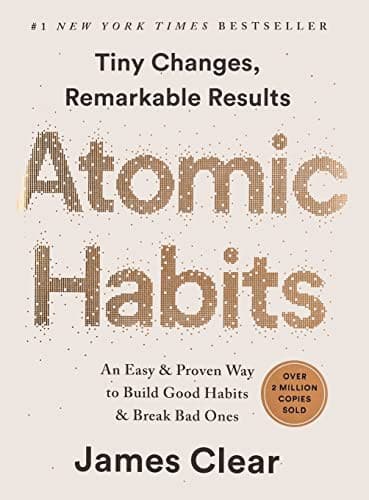
Read Next
Atomic Habits
James Clear
Its value is the concrete system it gives readers for examining cues, environments, repetition, and identity instead of relying on motivation alone.
Best for habit builders
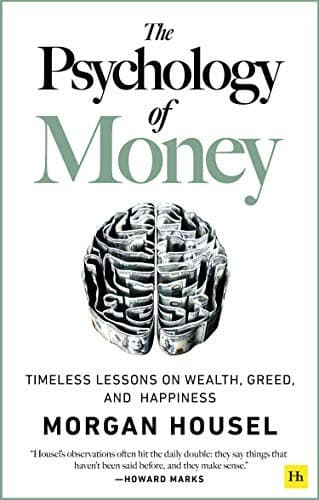
Read Next
The Psychology of Money
Morgan Housel
It gives readers a useful starting language for discussing why reasonable people can make very different choices with money.
Best for new investors
Read Next