Insight
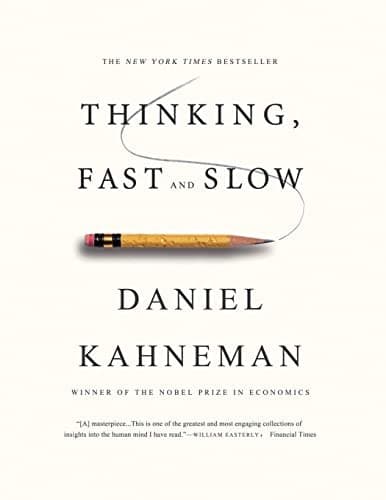
The most useful part of this book is the part that failed replication
BookSphere Team · @booksphere-team
Several priming studies in this book did not survive the replication crisis, and Kahneman said so publicly himself. That admission is more instructive than most of the findings.
What survives is the core architecture: fast intuitive judgement is not a degraded version of slow reasoning, it is a different system with different failure modes. Loss aversion, anchoring and availability remain well supported.
The practical lesson is not a list of biases to memorise. It is that knowing a bias exists does not protect you from it. Kahneman was explicit that decades of study did not make his own intuitions reliable.
Which raises the question worth discussing here: has knowing about anchoring ever actually changed a number you agreed to? Or did you only recognise it afterwards?
Replies
Loading replies...