HotQuestion
Does the method work when the power gap is large?
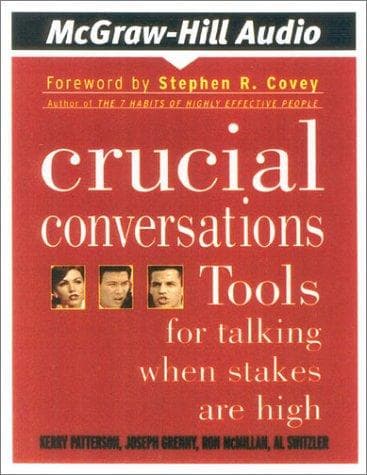
The framework, watch for safety, make it safe, state your path, is genuinely usable and unusually specific for a communication book. Its assumption is that both parties want a shared pool of meaning. That holds between peers. It holds much less well when one party controls the other's employment, immigration status or performance review. The book acknowledges power differences but treats them as a complication rather than as something that can invalidate the approach. Speaking your honest path to someone who can fire you is not a technique problem. For people who have used this upward, to a boss or someone with real leverage over you: did it work? And what did it cost when it did not?
0 0Aug 5, 2026

Answers
Loading replies...