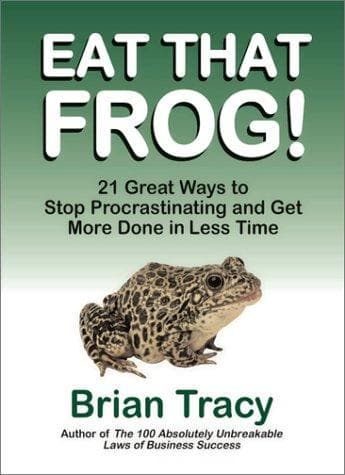
Eat That Frog!
Brian Tracy
What this book is about
Eat That Frog! by Brian Tracy is a productivity title with reader perspectives, questions, and applications gathered around it.
Best formakersstudentsknowledge workers
2001
You will procrastinate on something today, so choose what it is.
Who it helps: People who clear small tasks all morning and never reach the one that counts.
What it argues
Procrastination is not avoiding work, it is choosing which work to avoid.
Tracy's observation is that busy people are rarely idle - they are doing the easy items while the significant one waits. Since something will be deferred regardless, the only real decision is whether the deferred thing is the important one.
The hardest task gets easier the earlier you take it.
Difficulty grows while a task is pending: it gathers dread, and the day accumulates reasons to postpone. Taking it first removes both the dread and the chance for the day to intervene.
What you can do
Identify tomorrow's hardest task before you finish today.
Chosen in the morning, the difficult task has to win an argument against everything already waiting. Chosen the night before, it is simply what happens first.
Try this
Write down tomorrow's frog before you close your laptop, and start on it before opening anything else.
I tried thisRank by consequence, not by how overdue something feels.
Reader perspectives
See where the ideas worked, failed, or changed
Only perspectives readers have actually contributed appear here.
No reader perspective has been added yet. Share what you applied, questioned, or disagreed with.
Add a perspectivePerspectives
What readers learned, applied, or challenged
Open a perspective to see what a reader applied, questioned, challenged, or learned.
Often read next
Related books to continue with after you have seen the conversation around this one.
Read Next
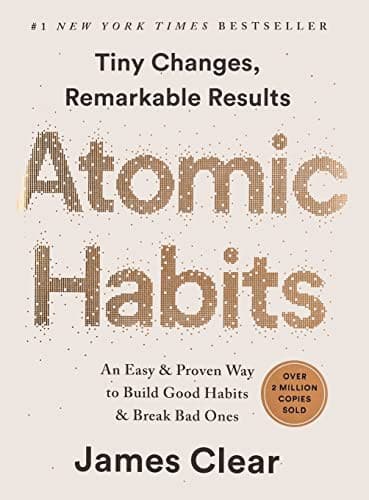
Atomic Habits
James Clear
Its value is the concrete system it gives readers for examining cues, environments, repetition, and identity instead of relying on motivation alone.
Best for habit builders
Read Next
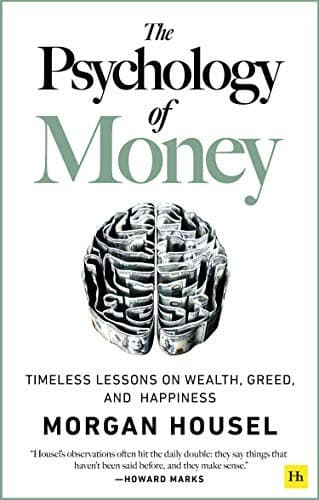
The Psychology of Money
Morgan Housel
It gives readers a useful starting language for discussing why reasonable people can make very different choices with money.
Best for new investors
Read Next