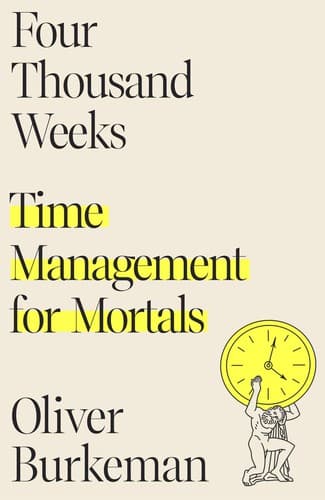
Four Thousand Weeks
Oliver Burkeman
What this book is about
Four Thousand Weeks by Oliver Burkeman is a productivity title with reader perspectives, questions, and applications gathered around it.
Best formakersstudentsknowledge workers
2021
You will not get on top of everything, and building a life around the attempt is the mistake.
Who it helps: People who have already tried the systems and feel further behind for it.
What it argues
The promise underneath productivity advice is false.
Burkeman's claim is that efficiency does not create space, it creates throughput - clear the inbox faster and more arrives. Because the demands are effectively infinite and the weeks are roughly four thousand, no system can deliver the state of being on top of things that it implicitly sells.
Neglecting things is the job, not the failure.
Once you accept that most of what you could do will go undone, the question changes from how to fit it all in to what you are consciously choosing to abandon. The book treats that choosing as the actual skill.
What you can do
Take the time for what matters before the day is negotiated away.
What is left over at the end of a day is never the good hours. Burkeman argues for giving the important thing its slot first and letting the remainder absorb the squeeze, which is uncomfortable precisely because it is real prioritisation.
Try this
Pick the one thing that would make this week feel worthwhile, and give it a slot before you plan anything else.
I tried this
Reader perspectives
See where the ideas worked, failed, or changed
Only perspectives readers have actually contributed appear here.
No reader perspective has been added yet. Share what you applied, questioned, or disagreed with.
Add a perspectivePerspectives
What readers learned, applied, or challenged
Open a perspective to see what a reader applied, questioned, challenged, or learned.
Often read next
Related books to continue with after you have seen the conversation around this one.
Read Next
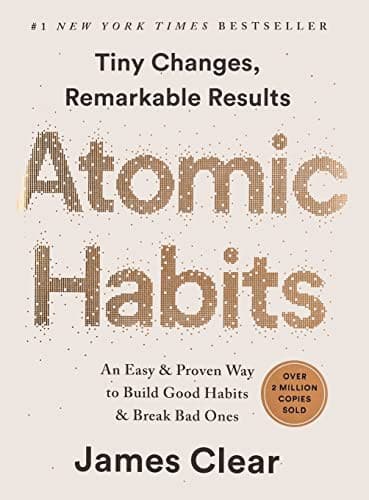
Atomic Habits
James Clear
Its value is the concrete system it gives readers for examining cues, environments, repetition, and identity instead of relying on motivation alone.
Best for habit builders
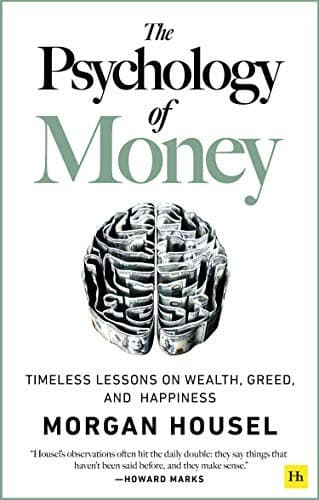
Read Next
The Psychology of Money
Morgan Housel
It gives readers a useful starting language for discussing why reasonable people can make very different choices with money.
Best for new investors
Read Next