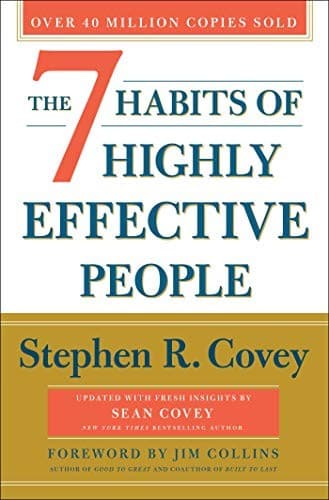
The 7 Habits of Highly Effective People
Stephen R. Covey
What this book is about
The 7 Habits of Highly Effective People by Stephen R. Covey is a personal growth title with reader perspectives, questions, and applications gathered around it.
Best forbeginnershabit builderscareer switchers
1989
Work on your character before your tactics, and start with what you can actually control.
Who it helps: People who have optimised their methods and still feel they are getting nowhere.
What it argues
Technique on top of a weak foundation stops working under pressure.
Covey separates the character ethic - integrity, patience, keeping your word - from the personality ethic of influence tactics and presentation. His claim is that the second only holds while things are easy, and that most self-improvement sells the second because it is faster.
Spend attention on what you can affect, and it grows.
The circle of concern holds everything you worry about; the circle of influence holds what you can act on. Covey's observation is that people who work inside the smaller circle tend to find it widening, while those preoccupied with the larger one tend to find theirs shrinking.
What you can do
Schedule what is important before what is urgent arrives.
Important work that is not yet urgent - planning, maintenance, relationships, learning - never announces itself, so it loses every day to things that do. Giving it a place in the week before the week starts is the only reliable defence.
Try this
Put one important, non-urgent thing in next week's calendar now, before anything else claims the slot.
I tried this
Reader perspectives
See where the ideas worked, failed, or changed
Only perspectives readers have actually contributed appear here.
No reader perspective has been added yet. Share what you applied, questioned, or disagreed with.
Add a perspectivePerspectives
What readers learned, applied, or challenged
Open a perspective to see what a reader applied, questioned, challenged, or learned.
Often read next
Related books to continue with after you have seen the conversation around this one.
Read Next
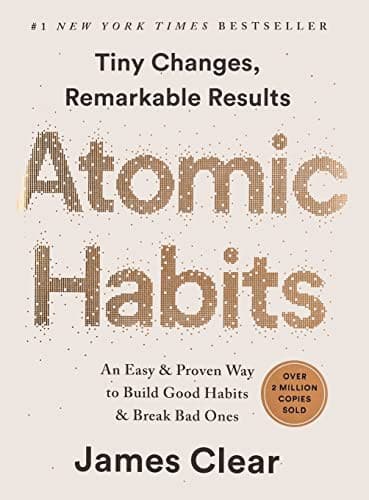
Atomic Habits
James Clear
Its value is the concrete system it gives readers for examining cues, environments, repetition, and identity instead of relying on motivation alone.
Best for habit builders
Read Next
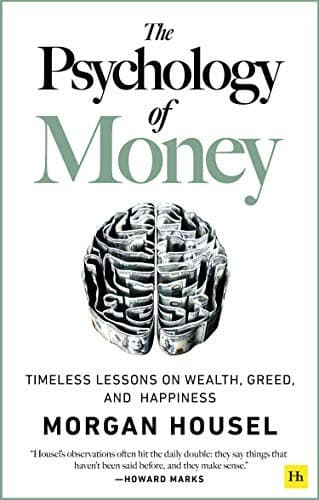
The Psychology of Money
Morgan Housel
It gives readers a useful starting language for discussing why reasonable people can make very different choices with money.
Best for new investors
Read Next