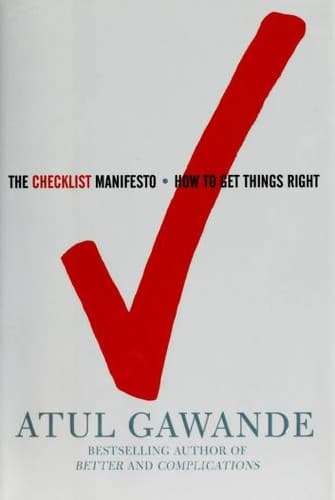
The Checklist Manifesto
Atul Gawande
What this book is about
The Checklist Manifesto by Atul Gawande is a productivity title with reader perspectives, questions, and applications gathered around it.
Best formakersstudentsknowledge workers
2009
Experts fail less from not knowing than from not applying what they already know.
Who it helps: Anyone whose work is complex, repeated, and occasionally goes wrong in avoidable ways.
What it argues
Most avoidable failure is skipped steps, not missing knowledge.
Gawande separates ignorance, where the knowledge does not exist, from ineptitude, where it exists and was not applied. His claim is that modern professional failure is overwhelmingly the second, and that it is therefore addressable.
A checklist protects attention for the part that needs judgment.
Handling the known steps mechanically frees expertise for the unexpected, which is where it is actually needed. The resistance from experts comes from reading a checklist as doubt about their competence rather than as a way to spend it better.
What you can do
Write a short one for the thing that goes wrong most.
An effective checklist is five to nine items, covers only steps that are skipped under pressure, and attaches to a specific pause point. Longer ones get read less carefully, which makes them worse than none.
Try this
Take the task that last went avoidably wrong and write six lines for it. No more than six.
I tried this
Reader perspectives
See where the ideas worked, failed, or changed
Only perspectives readers have actually contributed appear here.
No reader perspective has been added yet. Share what you applied, questioned, or disagreed with.
Add a perspectivePerspectives
What readers learned, applied, or challenged
Open a perspective to see what a reader applied, questioned, challenged, or learned.
Often read next
Related books to continue with after you have seen the conversation around this one.
Read Next
Atomic Habits
James Clear
Its value is the concrete system it gives readers for examining cues, environments, repetition, and identity instead of relying on motivation alone.
Best for habit builders
Read Next
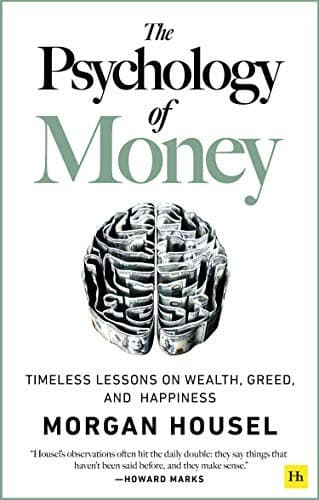
The Psychology of Money
Morgan Housel
It gives readers a useful starting language for discussing why reasonable people can make very different choices with money.
Best for new investors
Read Next