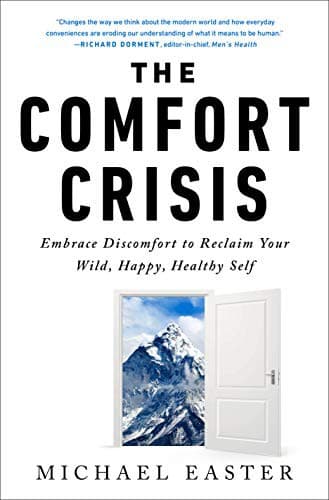
The Comfort Crisis
Michael Easter
What this book is about
The Comfort Crisis by Michael Easter is a health title with reader perspectives, questions, and applications gathered around it.
Best forbusy professionalsathletesparents
2021
Modern life removed the hardship humans were shaped by, and some of it is worth putting back deliberately.
Who it helps: People who are comfortable, vaguely flat, and suspect the two are related.
What it argues
Comfort removed stressors the body expected to meet.
Easter's argument is that constant temperature, constant food and constant stimulation took away physical and mental challenges humans developed alongside. His claim is not that hardship is good but that its complete absence is itself a condition with effects.
Boredom is a state with a function, and it has been abolished.
Every gap is now fillable, so the mind rarely sits unoccupied. He connects that to a loss of the reflection, planning and restlessness-into-action that used to happen in those gaps.
What you can do
Go somewhere far on foot with nothing to listen to.
A long walk with no audio supplies physical effort, unfilled time and mild discomfort together, which is most of the book's prescription in one accessible activity. Several hours is where the effect reported starts to appear.
Try this
Walk for two hours this week with no podcast, no music and no destination you need to reach.
I tried this
Reader perspectives
See where the ideas worked, failed, or changed
Only perspectives readers have actually contributed appear here.
No reader perspective has been added yet. Share what you applied, questioned, or disagreed with.
Add a perspectivePerspectives
What readers learned, applied, or challenged
Open a perspective to see what a reader applied, questioned, challenged, or learned.
Often read next
Related books to continue with after you have seen the conversation around this one.
Read Next
Atomic Habits
James Clear
Its value is the concrete system it gives readers for examining cues, environments, repetition, and identity instead of relying on motivation alone.
Best for habit builders
Read Next
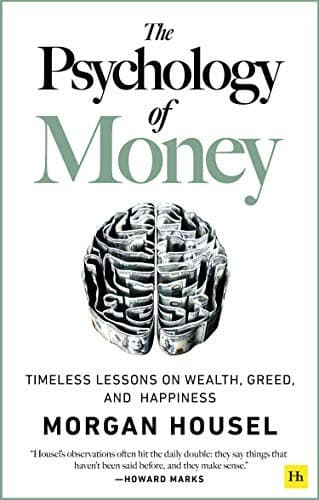
The Psychology of Money
Morgan Housel
It gives readers a useful starting language for discussing why reasonable people can make very different choices with money.
Best for new investors
Read Next