HotInsight
The idea from The War of Art that deserves a second reading
Written by the BookSphere team to start this shelf off. What would change this week if you treated this book as a practice instead of a take-away?
0 0Jul 10, 2026
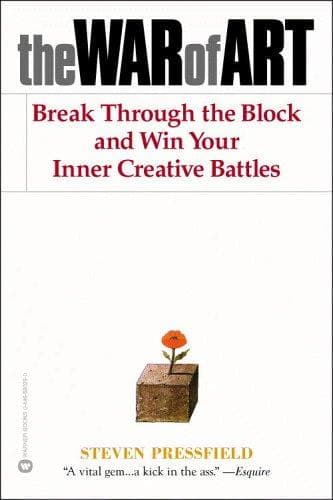
Steven Pressfield
What this book is about
The War of Art by Steven Pressfield is a personal growth title with reader perspectives, questions, and applications gathered around it.
2002 · 1 perspective
Who it helps: Anyone who knows what they should be making and keeps not making it.
What it argues
Pressfield names it Resistance and argues it is predictable: it is strongest in front of the work that would matter most to you, and it arrives disguised as reasonable things - research to do first, a tidier desk, a better time to start.
The distinction is not skill or income but relationship to feeling. A professional treats the work as a job that happens on schedule whether or not inspiration arrived, which removes the daily referendum on whether you are in the mood.
What you can do
Deciding each day whether to work is a decision you will eventually lose, because Resistance only has to win once to break the run. A fixed slot converts it from a choice into a default.
Try this
Pick the time you will sit down tomorrow. Not how long, not how much - just the time.
I tried thisReader perspectives
Only perspectives readers have actually contributed appear here.
1 reader perspective
The ideas readers found most clarifying, memorable, or useful.
The idea from The War of Art that deserves a second reading
Written by the BookSphere team to start this shelf off. What would change this week if you treated this book as a practice instead of a take-away?
Perspectives
Open a perspective to see what a reader applied, questioned, challenged, or learned.
Related books to continue with after you have seen the conversation around this one.
Read Next
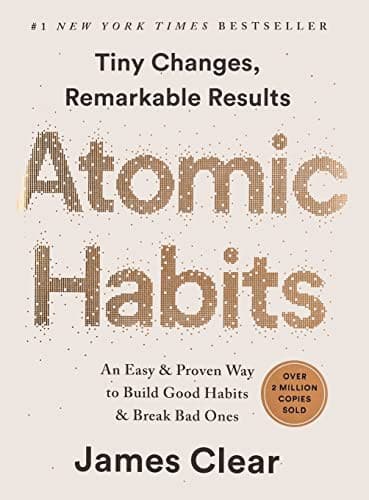
James Clear
Its value is the concrete system it gives readers for examining cues, environments, repetition, and identity instead of relying on motivation alone.
Best for habit builders
Read Next
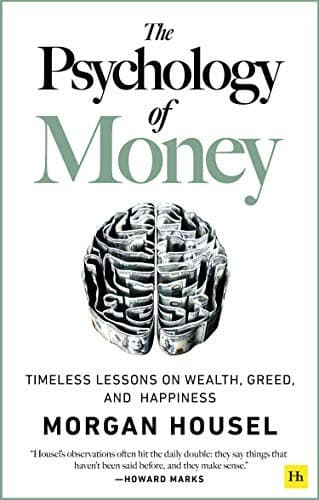
Morgan Housel
It gives readers a useful starting language for discussing why reasonable people can make very different choices with money.
Best for new investors
Read Next
Resistance works by seeming like something else - a genuine priority, a reasonable delay. Naming the avoidance in the moment strips the disguise, and the pull weakens noticeably once it has been identified.
Try this
Next time you drift from the work, write one line: I am avoiding ___ by doing ___.
I tried thisWhere it stops working
Everything that stops you is cast as Resistance to be overcome, which is useful against procrastination and harmful against burnout, depression or grief. Applied to a person who genuinely needs rest or treatment, the book supplies a reason to push through, and that is the wrong answer.
What's disputed
Pressfield moves from practical discipline to Muses, angels and a territory-versus-hierarchy metaphysics. Some find it the heart of the book and others find the earlier, concrete argument stands perfectly well without any of it.
What people get wrong
The framing of a daily war against an enemy inside you reads, on a bad week, as proof that you are the enemy. The usable part is the structure - fixed time, show up regardless - and that part does not require the self-contempt.
Written by BookSphere. What readers have written themselves is below.
Written by the BookSphere team to start this shelf off. What would change this week if you treated this book as a practice instead of a take-away?
Questions no one here has answered yet. Pick one you can speak to.
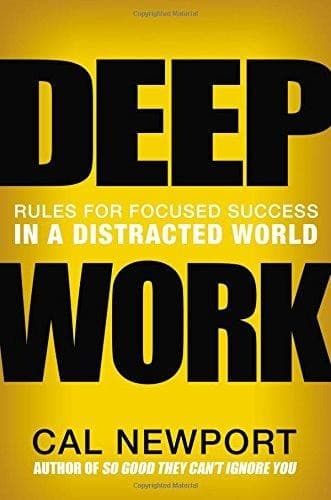
Cal Newport
It creates a strong discussion about whether focus is a personal habit, a workplace design problem, or both.
Best for knowledge workers
Replies
Loading replies...