The idea from High Output Management that deserves a second reading
Written by the BookSphere team to start this shelf off. What would change this week if you treated this book as a practice instead of a take-away?

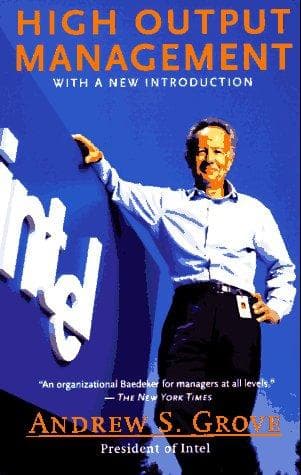
Andrew S. Grove
What this book is about
High Output Management by Andrew S. Grove is a business title with reader perspectives, questions, and applications gathered around it.
1983 · 2 perspectives
Reader perspectives
Only perspectives readers have actually contributed appear here.
1 reader perspective
The ideas readers found most clarifying, memorable, or useful.
The idea from High Output Management that deserves a second reading
Written by the BookSphere team to start this shelf off. What would change this week if you treated this book as a practice instead of a take-away?
1 reader perspective
Open questions where readers want help understanding or applying the book.
Does the manager-as-output-multiplier idea survive remote work?
Grove's definition is that a manager's output equals the output of their organisation plus the output of neighbouring organisations they influence. It is the cleanest definition of the job anyone has written. Much of the mechanism, though, depends on ambient information: walking the floor, overhearing problems, catching a hesitation in a meeting. Grove's one-on-ones assume a manager who already has enough context to ask the right question. Distributed teams remove most of that ambient signal. The written-first response, more documentation and more explicit status, is a real substitute but not the same one. For managers here who work distributed: what did you have to replace, and what did you never manage to replace?
Perspectives
Open a perspective to see what a reader applied, questioned, challenged, or learned.
Related books to continue with after you have seen the conversation around this one.

Read Next
James Clear
Its value is the concrete system it gives readers for examining cues, environments, repetition, and identity instead of relying on motivation alone.
Best for habit builders

Read Next
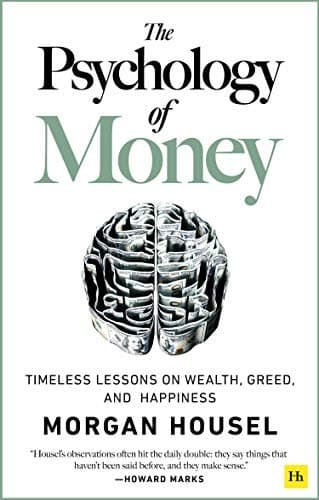
Morgan Housel
It gives readers a useful starting language for discussing why reasonable people can make very different choices with money.
Best for new investors

Read Next
Written by the BookSphere team to start this shelf off. What would change this week if you treated this book as a practice instead of a take-away?
Grove's definition is that a manager's output equals the output of their organisation plus the output of neighbouring organisations they influence. It is the cleanest definition of the job anyone has written. Much of the mechanism, though, depends on ambient information: walking the floor, overhearing problems, catching a hesitation in a meeting. Grove's one-on-ones assume a manager who already has enough context to ask the right question. Distributed teams remove most of that ambient signal. The written-first response, more documentation and more explicit status, is a real substitute but not the same one. For managers here who work distributed: what did you have to replace, and what did you never manage to replace?
Questions no one here has answered yet. Pick one you can speak to.
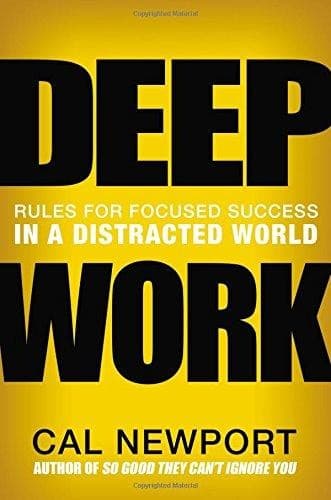
Cal Newport
It creates a strong discussion about whether focus is a personal habit, a workplace design problem, or both.
Best for knowledge workers
Replies
Loading replies...