HotInsight
The idea from Make Your Bed that deserves a second reading
Written by the BookSphere team to start this shelf off. What would change this week if you treated this book as a practice instead of a take-away?
0 0Jul 10, 2026
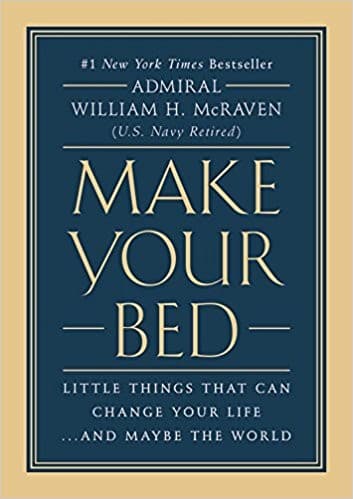
William H. McRaven
What this book is about
Make Your Bed by William H. McRaven is a personal growth title with reader perspectives, questions, and applications gathered around it.
2017 · 1 perspective
Who it helps: Anyone whose days collapse early and who needs somewhere small to start.
What it argues
McRaven's claim, from military training, is that a small thing finished properly provides evidence that you are someone who finishes things, before the day has had a chance to argue otherwise. On a day that then goes badly, you come home to one thing done.
Much of the book is about crews, partners and the people who carried you. It is an unusual emphasis in a genre built on individual discipline, and it is the part most readers remember least.
What you can do
The bed is a stand-in for any small, visible, completed task. What matters is that it is finished rather than started, and that it happens before the first interruption.
Try this
Choose one two-minute task to complete every morning before you touch your phone.
I tried thisReader perspectives
Only perspectives readers have actually contributed appear here.
1 reader perspective
The ideas readers found most clarifying, memorable, or useful.
The idea from Make Your Bed that deserves a second reading
Written by the BookSphere team to start this shelf off. What would change this week if you treated this book as a practice instead of a take-away?
Perspectives
Open a perspective to see what a reader applied, questioned, challenged, or learned.
Related books to continue with after you have seen the conversation around this one.
Read Next
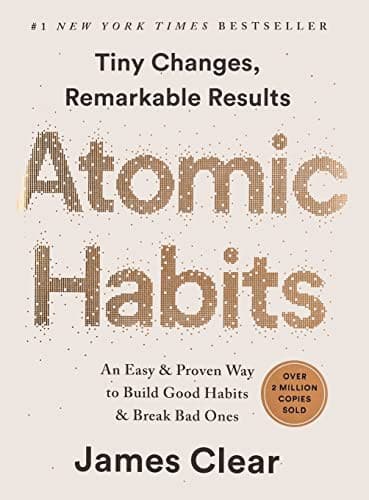
James Clear
Its value is the concrete system it gives readers for examining cues, environments, repetition, and identity instead of relying on motivation alone.
Best for habit builders
Read Next
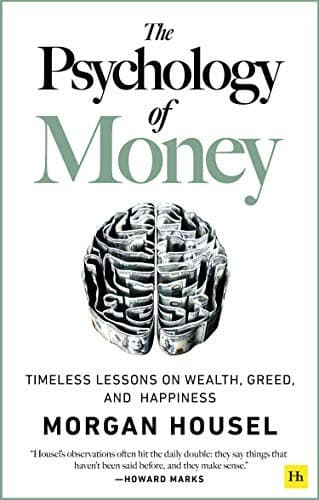
Morgan Housel
It gives readers a useful starting language for discussing why reasonable people can make very different choices with money.
Best for new investors
Read Next
Deciding who to call is far harder in the middle of a bad stretch than in advance. Knowing the name ahead of time is what turns the book's point about other people into something usable.
Try this
Write down two people you would call if this month went badly. Tell one of them.
I tried thisWhere it stops working
There are ten lessons, each a story with a moral, and no method connecting them. As encouragement it works; as a practical guide there is less here than the reputation implies, and an hour reading it is most of what it has.
What's disputed
The idea that a tidy bed leads to better decisions later is intuitive and not well established - it sits close to the keystone-habit claim, which has the same problem of being argued from stories after the fact. The morale effect of finishing something is on firmer ground than the transfer.
Argues with The Power of Habit.
What people get wrong
There is no programme here to follow, and reading it expecting one produces disappointment with a book that was never attempting it. It is a commencement address, and judged as one it is a good one.
Written by BookSphere. What readers have written themselves is below.
Written by the BookSphere team to start this shelf off. What would change this week if you treated this book as a practice instead of a take-away?
Questions no one here has answered yet. Pick one you can speak to.
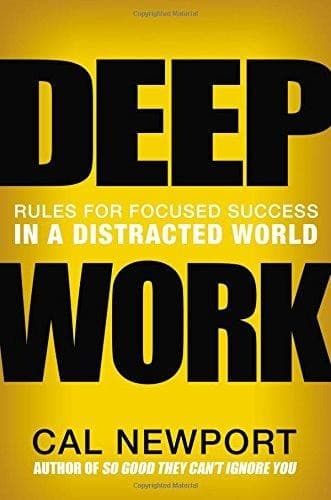
Cal Newport
It creates a strong discussion about whether focus is a personal habit, a workplace design problem, or both.
Best for knowledge workers
Replies
Loading replies...