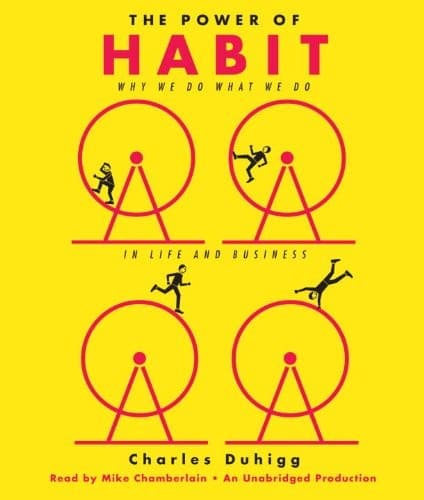
The Power of Habit
Charles Duhigg
What this book is about
The Power of Habit by Charles Duhigg is a psychology title with reader perspectives, questions, and applications gathered around it.
Best fordecision makerscoachesstudents
2012
Habits run on a loop you can rewire, but you cannot delete.
Who it helps: People who want to understand why a habit has a grip on them before trying to break it.
What it argues
Every habit is a cue, a routine and a reward, and only the middle part can change.
Duhigg's frame is that the brain stops doing the work once a behaviour is automatic, which is why habits persist through good intentions. You cannot erase the loop, but you can keep the cue and the reward and swap what sits between them.
Some habits drag others behind them.
The book argues that certain changes - exercise, making the bed, family dinner - reorganise unrelated parts of a life. The claim is not that they are magic but that they alter how capable you believe you are, and that belief spreads.
What you can do
Find what you are actually being rewarded by before you try to stop.
People usually misidentify the payoff - the afternoon biscuit is often about leaving the desk, not sugar. Testing different rewards against the same cue tells you what the habit is really buying you.
Try this
Next time the urge hits, try a different reward - a walk instead of the snack - and write down whether the urge actually settles.
I tried this
Reader perspectives
See where the ideas worked, failed, or changed
Only perspectives readers have actually contributed appear here.
No reader perspective has been added yet. Share what you applied, questioned, or disagreed with.
Add a perspectivePerspectives
What readers learned, applied, or challenged
Open a perspective to see what a reader applied, questioned, challenged, or learned.
Often read next
Related books to continue with after you have seen the conversation around this one.
Read Next
Essentialism
Greg McKeown
Use the reader perspectives to understand what people took from this book and decide whether it deserves your full attention.
Best for beginners
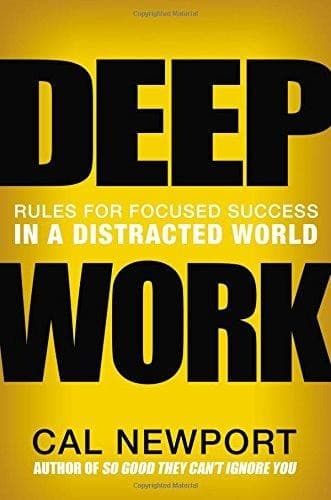
Read Next
Deep Work
Cal Newport
It creates a strong discussion about whether focus is a personal habit, a workplace design problem, or both.
Best for knowledge workers
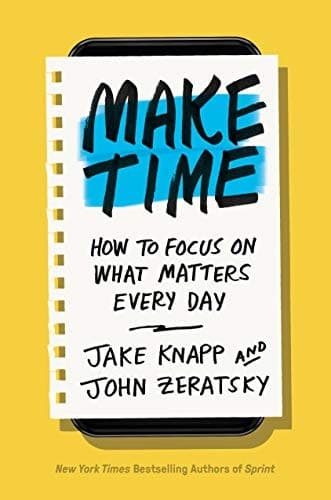
Read Next