HotDisagreement
Disruption is now used for anything new, which has made it useless
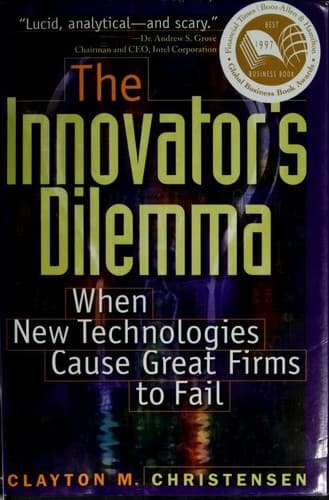
Christensen's argument was narrow and testable: incumbents lose because they rationally serve their best customers, while a cheaper, worse product improves from below until it is good enough. The word has since been stretched to cover any successful new entrant. Uber is the standard counterexample; by the original definition it was not disruptive, it was a better product entering at the top. Christensen said so himself. The theory has also faced empirical challenge, notably Jill Lepore's argument that the case selection favoured the conclusion and that several disrupted incumbents did fine. Does the narrow version still predict anything? Where have you seen a genuine low-end entry that incumbents rationally ignored?
0 0Aug 5, 2026
Replies
Loading replies...