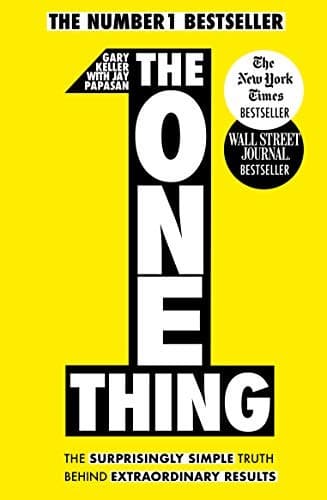
The ONE Thing
Gary Keller and Jay Papasan
What this book is about
The ONE Thing by Gary Keller and Jay Papasan is a productivity title with reader perspectives, questions, and applications gathered around it.
Best formakersstudentsknowledge workers
2013
One question, asked often enough, removes most of what is on your list.
Who it helps: People whose days are full of reasonable tasks and empty of progress.
What it argues
Results are not evenly distributed across your tasks.
Keller's framing is that a small number of actions produce most of what matters, and the rest are not merely less valuable but often actively in the way. The focusing question - what is the one thing that makes everything else easier or unnecessary - is the tool for finding it.
What you can do
Give the one thing the first block of the day, not the leftovers.
Importance loses to urgency every afternoon, so the only reliable slot is the one before the day starts making demands. The book treats this block as an appointment that other people are not allowed to book over.
Try this
Block the first hour tomorrow for the single task that would most reduce your remaining list.
I tried thisWork backwards from the long goal to today's one thing.
The question works at every timescale - this year, this month, this week, today - and each answer narrows the next. Done as a chain it stops today's priority from being whatever is loudest.
Try this
Reader perspectives
See where the ideas worked, failed, or changed
Only perspectives readers have actually contributed appear here.
No reader perspective has been added yet. Share what you applied, questioned, or disagreed with.
Add a perspectivePerspectives
What readers learned, applied, or challenged
Open a perspective to see what a reader applied, questioned, challenged, or learned.
Often read next
Related books to continue with after you have seen the conversation around this one.
Read Next
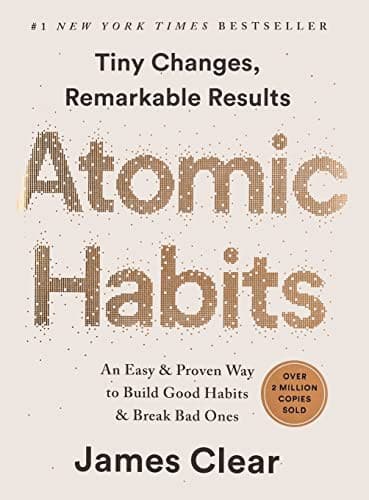
Atomic Habits
James Clear
Its value is the concrete system it gives readers for examining cues, environments, repetition, and identity instead of relying on motivation alone.
Best for habit builders
Read Next
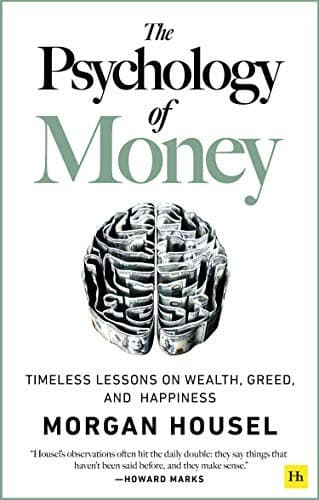
The Psychology of Money
Morgan Housel
It gives readers a useful starting language for discussing why reasonable people can make very different choices with money.
Best for new investors
Read Next